
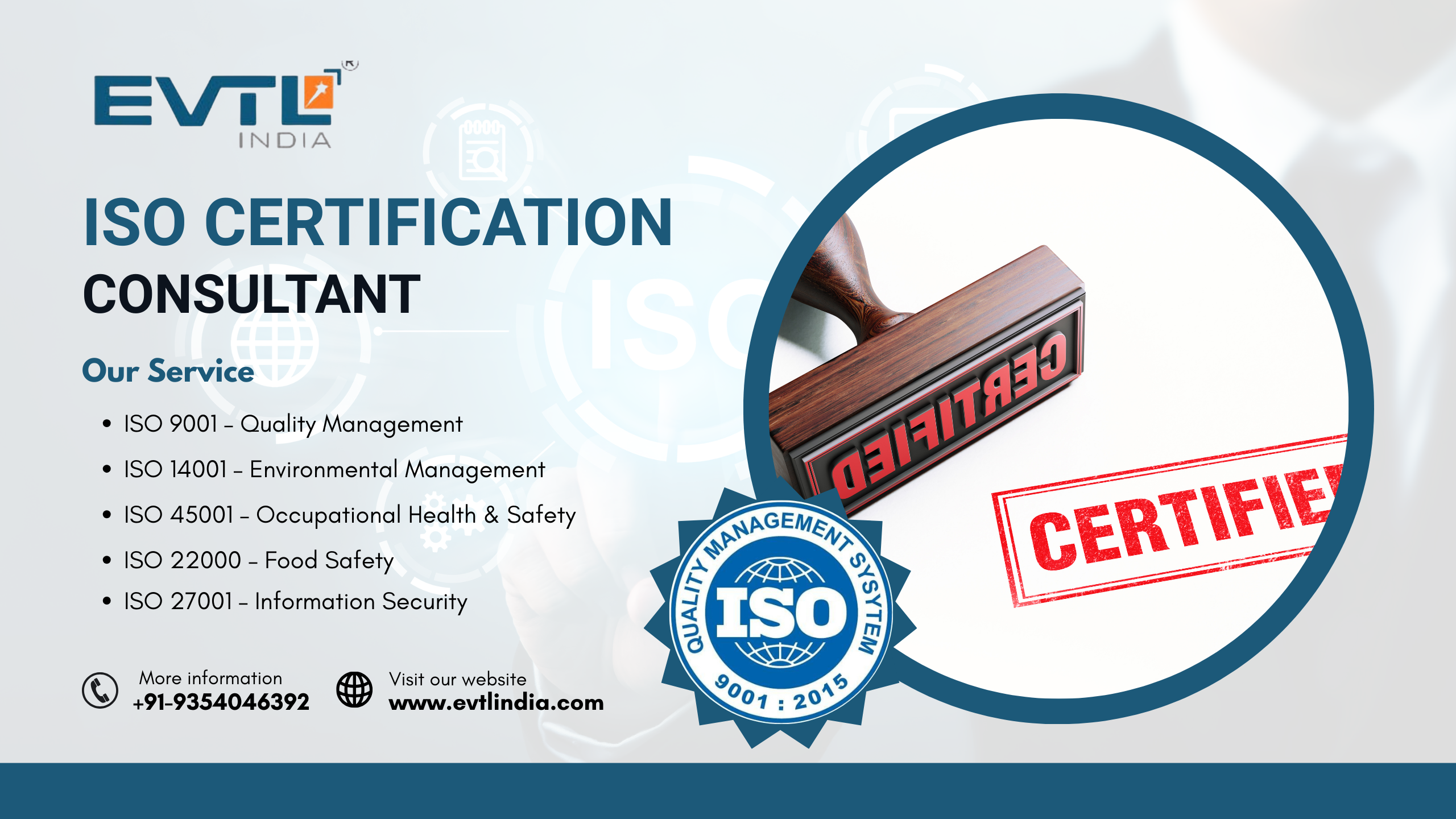
ISO Certification: Standards, Registration Process, and Business Value
Description
In today’s highly regulated and quality-driven marketplace, organizations must demonstrate operational discipline, consistency, and customer focus. ISO certification serves as an internationally recognized framework that helps businesses establish structured management systems and enhance credibility. Whether operating in manufacturing, services, healthcare, construction, or information technology, companies benefit significantly from implementing ISO standards.
Understanding the fundamentals of ISO, its standards, and the certification pathway is essential for organizations aiming to achieve sustainable growth and competitive advantage.
ISO Full Form and Organizational Overview
The ISO full form is the International Organization for Standardization. Founded in 1947, ISO is an independent, non-governmental international body that develops global standards to ensure quality, safety, efficiency, and interoperability across industries. It comprises national standards organizations from over 160 countries.
ISO itself does not issue certificates. Certification is carried out by accredited certification bodies that audit organizations against specific ISO standards and verify compliance.
What Is ISO Certification?
ISO certification is formal recognition that an organization’s management system complies with the requirements of a chosen ISO standard. It demonstrates that the organization follows documented processes, maintains quality controls, and continuously monitors performance for improvement.
ISO standards focus on management systems rather than individual products. They establish frameworks that ensure consistency, accountability, and measurable performance outcomes.
Several ISO standards are widely adopted across industries, including:
-
ISO 9001 for Quality Management Systems
-
ISO 14001 for Environmental Management Systems
-
ISO 45001 for Occupational Health and Safety
-
ISO 27001 for Information Security Management
Among these, the ISO 9001 Standard remains the most commonly implemented globally.
ISO 9001 Standard: Quality Management Framework
ISO 9001 provides a structured approach to managing quality across all business processes. It is designed to ensure that organizations consistently meet customer expectations and regulatory requirements.
The core principles of ISO 9001 include:
-
Customer focus
-
Leadership involvement
-
Process-based management
-
Risk-based thinking
-
Evidence-based decision-making
-
Continuous improvement
By implementing ISO 9001, organizations establish standardized procedures, define measurable objectives, and create accountability at every operational level. This structured approach reduces inefficiencies and enhances overall service or product quality.
ISO Registration and Certification Process
The terms ISO registration and ISO certification are often used interchangeably. Both refer to the formal process of obtaining recognition after demonstrating compliance with the relevant ISO standard.
The certification journey typically includes the following stages:
1. Gap Analysis
An initial assessment compares the organization’s current processes with the requirements of the selected ISO standard. This helps identify areas that require improvement.
2. Documentation Development
Policies, procedures, manuals, and operational records are developed or revised to align with the ISO framework. Proper documentation forms the backbone of compliance.
3. Implementation
The documented management system is implemented across departments. Employees are trained to follow standardized procedures and maintain records.
4. Internal Audit and Management Review
Before external evaluation, the organization conducts internal audits to ensure compliance. Management reviews system performance and addresses corrective actions.
5. Certification Audit
An accredited certification body conducts a two-stage audit:
-
Stage 1 reviews documentation and readiness.
-
Stage 2 assesses practical implementation and effectiveness.
Upon successful completion, iso certificate registration is granted. The certificate is generally valid for three years, with annual surveillance audits to ensure continued compliance.
Benefits of ISO Certificate Registration
Obtaining ISO certification offers several strategic advantages:
-
Improved brand reputation and market credibility
-
Enhanced customer confidence
-
Better process efficiency and reduced operational risks
-
Increased eligibility for government tenders and international contracts
-
Structured framework for continuous improvement
-
Stronger compliance with regulatory requirements
In many industries, ISO certification is a prerequisite for vendor approval and supply chain integration.
Role of an ISO Certified Consultant
While organizations can implement ISO standards independently, many choose to work with an ISO certified consultant to ensure smooth and efficient execution. A consultant provides technical guidance, ensures accurate documentation, and prepares the organization for certification audits.
Professional consultants typically assist with:
-
Selecting the appropriate ISO standard
-
Conducting comprehensive gap analysis
-
Developing and structuring documentation
-
Providing employee training
-
Coordinating with certification bodies
-
Addressing audit non-conformities
Engaging experienced professionals reduces implementation delays and improves the likelihood of first-time certification success.
Maintaining ISO Compliance
ISO certification is not a one-time achievement. Organizations must maintain compliance through:
-
Regular internal audits
-
Monitoring performance metrics
-
Corrective and preventive action management
-
Periodic management reviews
-
Annual surveillance audits by the certification body
Continuous adherence ensures the management system remains effective and aligned with business objectives.
Conclusion
ISO certification represents a globally accepted benchmark for quality management, operational efficiency, and organizational discipline. From understanding the ISO full form to implementing the ISO 9001 Standard and completing iso certificate registration, businesses must adopt a systematic and strategic approach to compliance. Proper documentation, structured implementation, and successful audit verification are essential to achieving certification.
Organizations seeking professional guidance and structured support for ISO registration and certification may consider expert assistance from EVTL India, which offers comprehensive solutions for ISO implementation and compliance management.
Tag
Location
Contact Information
Author Info

Contact Listings Owner Form
ISO Certification: Standards, Registration Process, and Business Value 0 reviews
Login to Write Your ReviewThere are no reviews yet.


-
July 1, 2026




-
May 30, 2026


-
May 26, 2026


-
May 8, 2026



-
March 23, 2026






-
July 1, 2026
-
May 30, 2026
-
May 26, 2026
-
May 8, 2026
-
March 23, 2026